Navigating co-investment strategies in family offices
Where the deal flow is real, where it's not, and how the most active members structure participation.
Three principals open the books on this season's quietest, most expensive transactions in the East End — and the four buyer archetypes shaping the market right now.
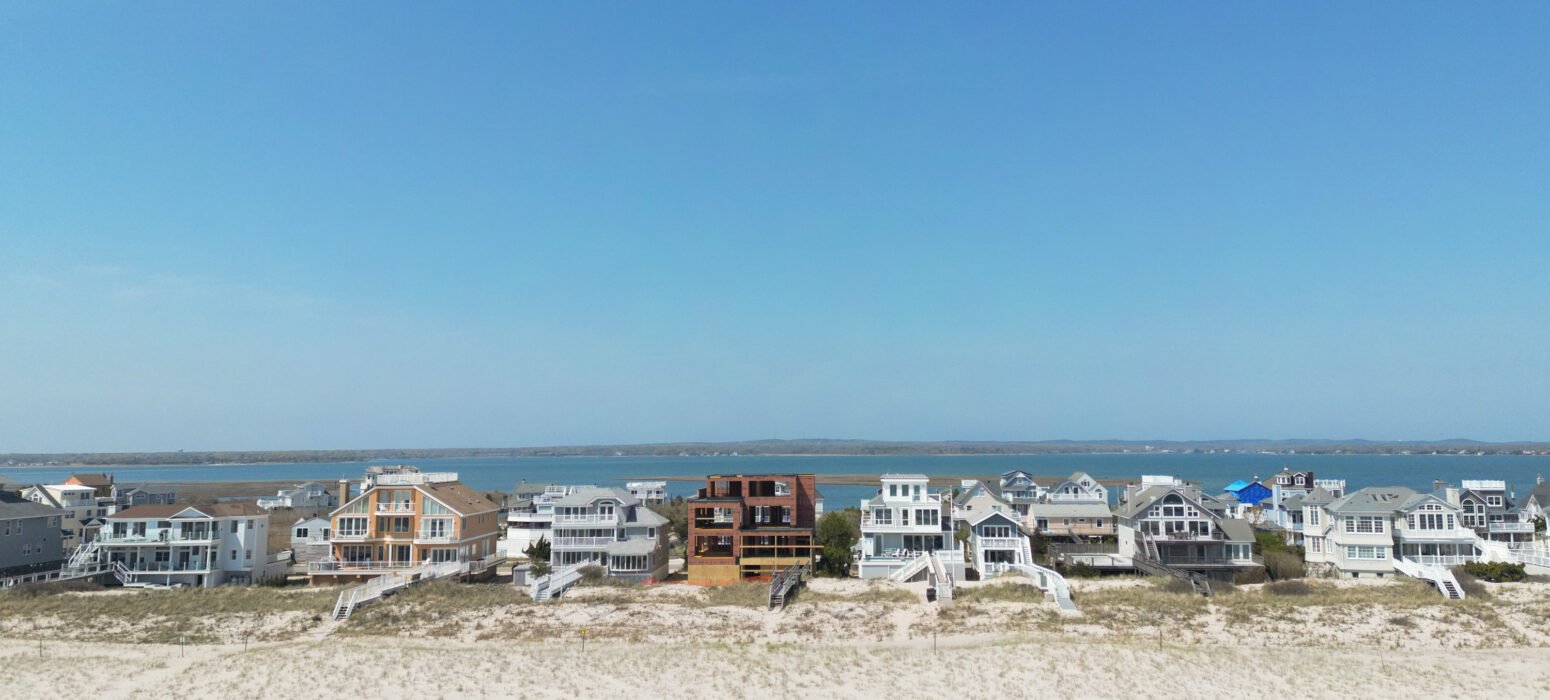
Walk East Hampton's Lily Pond Lane in mid-May and the rhythm is unmistakable. Estate-sized teardowns are framed faster than they were six months ago. Black SUVs come and go from properties that are technically still off-market. And every broker we spoke with for this piece said some version of the same thing: this is the busiest spring they've had since 2021.
But the buyers are different — and that's the story worth telling. Across roughly forty conversations with family-office principals, advisors, and brokers, four archetypes keep coming up.
First, the West Coast tech principal. Often G1 or early G2, often newly liquid post-IPO, often buying a second-home compound in cash. Brokers describe these clients as decisive but quiet — happy to pay through ask if the property comes with privacy, infrastructure, and a defensible long-term hold.
Second, the legacy New York family looking to consolidate. We heard this from two principals directly: they're trading three older waterfront houses for one estate, frequently north of the highway, where the build envelope is bigger and the maintenance is more manageable.
“Our parents bought beach houses. We're buying compounds — large enough that three generations of family can be in the same place without overlapping all weekend.”
Third, the international principal. London, Tel Aviv, Geneva — all showing up in the data again. Currency tailwinds explain part of it, but every international buyer we spoke with cited something simpler: the social calendar. Polo, charity, and the editorial-style dinners that have proliferated since the pandemic.
Fourth — and this is new — the corporate family office buying for the principal as a separate balance-sheet asset. The structures look like LLCs but the underwriting feels like real estate: capex, basis, and a 25-year hold horizon.
Three patterns stood out in the listings that closed between January and April.
The Bridgehampton spec-house category — the $4–6M new-construction inventory that drove much of 2023's volume — is sitting longer. So is anything within a half-mile of Highway 27 with road noise. And the very top of the market (over $40M) has thinned to a small number of buyers, mostly closing privately and not through MLS at all.
Three things will define the second half of the season:
For now, the principals doing the most active buying describe a market that feels real, not frothy. As one put it on background: "we're buying for the next 25 years, not the next 25 minutes."
Editor's note: Principal interviews for this piece were conducted on background between February and May 2026. Broker quotations were on-record. The companion data set is available to FON+ subscribers in the May Statistics Memo.

Where the deal flow is real, where it's not, and how the most active members structure participation.

How the marketing veneer is being used to access principals, and what real offices are doing about it.

From DAFs and LLCs to perpetual trusts — what's working, what's not, and what's emerging.